

Godzilla Trivia: Uncover Facts on the King of Monsters
Pop Culture · 8 min read · 9/23/2026
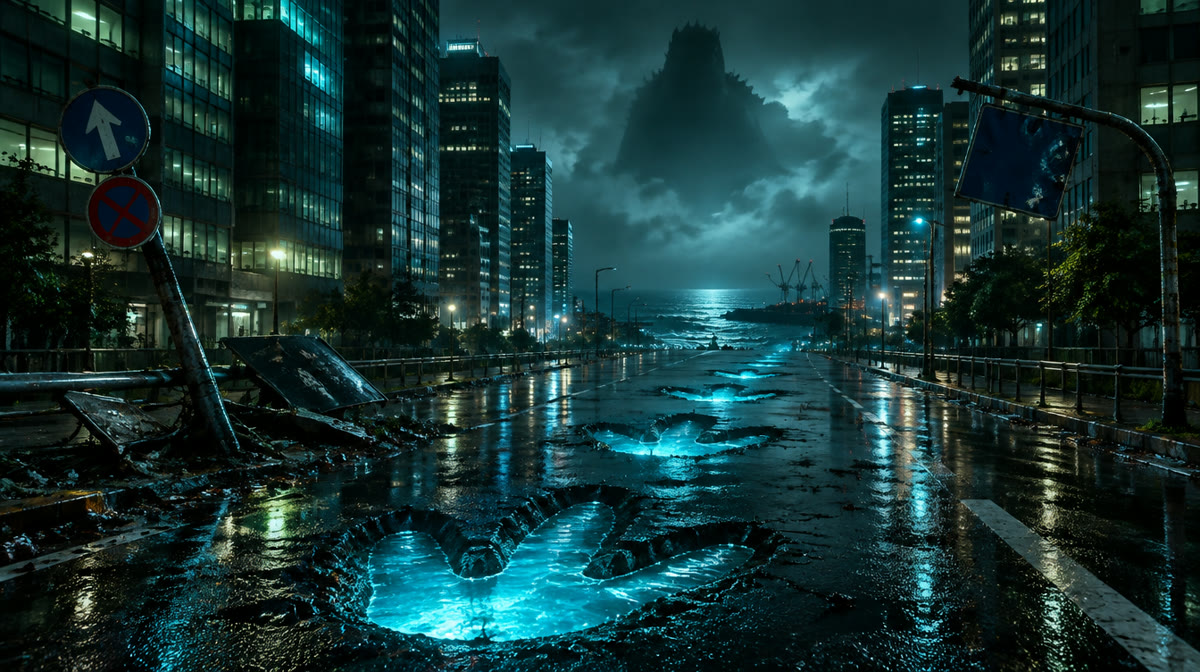
The Atomic Age's Unstoppable Icon: Godzilla Trivia!
Godzilla, the "King of the Monsters," has stomped his way through cinema and popular culture for nearly seven decades, evolving from a terrifying metaphor for atomic devastation into a complex global superstar. But how much do you really know about this colossal kaiju? Get ready to unleash your inner monster fan with these incredible Godzilla trivia facts!
The Roar Heard 'Round the World: Origins and Early Days
- Born from the Bomb: Godzilla's creation was a direct response to the atomic bombings of Hiroshima and Nagasaki, and the Lucky Dragon 5 incident (a Japanese fishing boat exposed to fallout from a U.S. hydrogen bomb test). He embodied the fears and anxieties of a post-war Japan grappling with nuclear power and its terrifying consequences. His very existence served as a chilling reminder of humanity's destructive capabilities.
- Original Name and Meaning: While known globally as Godzilla, his original Japanese name is "Gojira" (ゴジラ). This name is a portmanteau of the Japanese words "gorira" (gorilla) and "kujira" (whale), reflecting his immense size, land-based power, and aquatic nature. Legend has it that the name was inspired by a burly Toho employee nicknamed "Gojira."
- First Appearance: Godzilla made his terrifying debut in the 1954 Japanese film *Gojira*, directed by Ishirō Honda and produced by Toho Co., Ltd. The film was a critical and commercial success, immediately establishing Godzilla as a cultural phenomenon.
- Suit Acting Pioneer: The original Godzilla was famously portrayed by suit actors Haruo Nakajima and Katsumi Tezuka, who donned heavy, restrictive rubber suits weighing over 200 pounds. They navigated meticulously crafted miniature city sets, a revolutionary technique that became a hallmark of kaiju films and allowed for unprecedented scale and destruction on screen.
- Americanization and Raymond Burr: The original *Gojira* film was heavily re-edited and released in the U.S. in 1956 as *Godzilla, King of the Monsters!* This version featured newly shot scenes with Canadian-American actor Raymond Burr (playing reporter Steve Martin) integrated into the narrative, providing an American perspective on the disaster. This cut became the first exposure for many Western audiences, significantly altering the film's original anti-nuclear message.
Evolution of a Legend: Powers and Characteristics
- Atomic Breath (Heat Ray): Godzilla's signature and most devastating weapon is his atomic breath, a powerful radioactive stream he emits from his mouth. Its color has varied across films, from a translucent mist in early iterations to the iconic blue, white, or red superheated plasma seen today. This breath is capable of leveling city blocks and vanquishing other kaiju.
- Immense Strength and Durability: Beyond his breath, Godzilla possesses unparalleled physical strength, capable of throwing, slamming, and overpowering other giant monsters. His hide is incredibly tough, rendering most conventional weaponry useless. He can withstand extreme temperatures, pressures, and even direct hits from nuclear weapons.
- Regenerative Powers: Godzilla possesses incredible regenerative abilities, allowing him to heal rapidly from injuries, even severe ones inflicted by military attacks or other monsters. This makes him nearly immortal and incredibly difficult to defeat permanently.
- Amphibious Nature: Godzilla is not just a land-based behemoth; he is an excellent swimmer and spends a significant amount of time underwater. The ocean is often depicted as his natural habitat and a place of refuge or hibernation.
- Size Matters: Godzilla's size has varied dramatically throughout his cinematic history, generally increasing with each new era to keep pace with evolving special effects and cinematic ambition. In the original 1954 film, he was approximately 50 meters (164 feet) tall. By the Legendary Pictures' MonsterVerse films, such as *Godzilla* (2014) and *Godzilla vs. Kong* (2021), he had grown to a staggering 120 meters (393 feet), making him one of the tallest kaiju ever depicted.
- Spiritual Significance: In many iterations, particularly in Toho's films, Godzilla is depicted not just as a destructive monster but as a force of nature, a god-like entity, or even a guardian of Earth's balance against other monstrous threats (e.g., King Ghidorah, Destoroyah). His alignment often shifts, reflecting humanity's perception of him.
A Global Icon: Cultural Impact and Media Presence
- Franchise Longevity: The Godzilla franchise is one of the longest-running film franchises in history, boasting over 38 films produced by Toho (including *Godzilla Minus One*) and several major Hollywood adaptations. This consistent output demonstrates his enduring appeal.
- Star on the Walk of Fame: Godzilla was honored with a star on the Hollywood Walk of Fame in 2004, marking his 50th anniversary and solidifying his status as a cinematic legend.
- Animated Appearances: Beyond live-action films, Godzilla has starred in various animated TV series, including *Godzilla* (1978) by Hanna-Barbera (featuring his comedic sidekick, Godzooky), *Godzilla: The Series* (1998) following the Tristar film, and more recently, Netflix's *Godzilla Singular Point* (2021).
- Video Game Domination: Godzilla has been featured in numerous video games across various platforms, from fighting games like *Godzilla: Save the Earth* to city-destruction simulators and mobile games, allowing players to step into his colossal shoes and unleash destruction.
- Comic Books and Manga: The King of the Monsters has also graced countless comic book series and manga adaptations, exploring different facets of his character and pitting him against a wide array of foes, both familiar and new.
Iconic Battles and Memorable Moments
- King Kong vs. Godzilla (1962): This film marked Godzilla's first color feature and pitted him against another cinematic giant, King Kong. It was a massive box office success and remains a beloved, albeit often debated, kaiju classic, kickstarting Godzilla's career as a hero.
- Rodan and Mothra: These two kaiju are among Godzilla's most frequent allies and foes, often appearing alongside or in opposition to the King of the Monsters. Mothra, the giant moth goddess, often serves as a benevolent protector, while Rodan, the pterodactyl-like creature, is a powerful but often misguided force.
- King Ghidorah: The three-headed, golden space dragon, King Ghidorah, is considered Godzilla's arch-nemesis. He is a truly apocalyptic threat, often requiring Godzilla to team up with other kaiju to defeat him, as seen in classics like *Ghidorah, the Three-Headed Monster* (1964) and *Godzilla: King of the Monsters* (2019).
- Mechagodzilla: Godzilla's mechanical doppelgänger, Mechagodzilla, has appeared in various forms across different eras, first introduced in *Godzilla vs. Mechagodzilla* (1974). Often built by humans or aliens, Mechagodzilla represents humanity's attempt to control or defeat Godzilla, frequently proving to be one of his most challenging adversaries.
- Destoroyah: Considered one of Godzilla's most formidable and lethal adversaries, Destoroyah was created from the very weapon that was supposed to kill the original Godzilla: the Oxygen Destroyer. Their battle in *Godzilla vs. Destoroyah* (1995) was portrayed as Godzilla's final, tragic fight in the Heisei era.
- Shifting Allegiances: While often initially portrayed as a destructive force, Godzilla has frequently taken on the role of Earth's protector, battling extraterrestrial threats, other destructive kaiju, or even humanity's own folly. This anti-heroic stance has become a staple of his character, making him a complex and compelling figure.
Behind the Scenes: Fun Facts and Production Tidbits
- The Iconic Roar: Godzilla's distinctive and powerful roar was created by composer Akira Ifukube. He famously achieved the sound by rubbing a resin-coated leather glove along the strings of a double bass and then slowing down the recording. This raw, primal sound has remained largely consistent across decades.
- Miniature Magic: The detailed miniature cityscapes, military vehicles, and elaborate sets used in the early films were meticulously crafted, often in varying scales to enhance the illusion of Godzilla's immense size and the destruction he wrought. This technique, known as "suitmation," required immense artistry and precision.
- The Oxygen Destroyer's Secrecy: The superweapon used to defeat the original Godzilla in the 1954 film, the Oxygen Destroyer, was intentionally kept secret within the narrative by its inventor, Dr. Serizawa, and then destroyed. This plot point established it as a device too dangerous to ever be used again, reflecting the film's anti-nuclear message.
- Toho's "Big 5": Godzilla is often considered part of Toho's "Big 5" kaiju, alongside Mothra, Rodan, King Ghidorah, and Mechagodzilla. These monsters frequently appear in the franchise, forming a rich tapestry of interwoven stories and battles.
- Haruo Nakajima's Dedication: Haruo Nakajima, the primary suit actor for Godzilla from 1954 to 1972, often endured grueling conditions inside the heavy, hot, and poorly ventilated suits. He studied animal movements, particularly bears and elephants, to give Godzilla a believable and fearsome presence.
- Godzilla's Academy Award: The 2023 film *Godzilla Minus One* made history by winning the Academy Award for Best Visual Effects, a first for the franchise and a foreign-language film. This achievement highlighted the enduring power and innovative spirit of Godzilla's creators.
Frequently Asked Questions About Godzilla
Q: What is Godzilla's original name?
A: Godzilla's original Japanese name is Gojira (ゴジラ), a portmanteau of "gorira" (gorilla) and "kujira" (whale).
Q: When did the first Godzilla movie come out?
A: The first Godzilla movie, titled *Gojira*, was released in Japan on November 3, 1954.
Q: What are Godzilla's main powers?
A: Godzilla's primary powers include his atomic breath (or heat ray), immense physical strength, near-invulnerability, powerful regenerative abilities, and amphibious nature.
Q: Is Godzilla good or evil?
A: Godzilla's alignment often shifts. He is typically portrayed as a destructive force of nature, sometimes acting as an anti-hero who defends Earth from greater threats, and other times as a pure antagonist. His morality is ambiguous and dynamic.
Q: How many Godzilla movies are there?
A: As of early 2024, there are over 38 live-action films in the Godzilla franchise, produced by Toho, alongside several American adaptations and animated series.
Q: Who created Godzilla?
A: Godzilla was conceived by producer Tomoyuki Tanaka, directed by Ishirō Honda, and brought to life through special effects by Eiji Tsuburaya. Together, they are credited as his primary creators.
Q: What is the tallest Godzilla?
A: The tallest cinematic Godzilla is typically considered to be the MonsterVerse Godzilla from films like *Godzilla: King of the Monsters* (2019) and *Godzilla vs. Kong* (2021), standing at approximately 120 meters (393 feet) tall.
Q: What inspired Godzilla's creation?
A: Godzilla's creation was deeply inspired by the atomic bombings of Hiroshima and Nagasaki, as well as the incident of the Japanese fishing boat Lucky Dragon 5, which was exposed to radioactive fallout from a U.S. hydrogen bomb test. He is a metaphor for nuclear fear.
Q: What is the sound of Godzilla's roar made from?
A: Godzilla's iconic roar was created by rubbing a resin-coated leather glove along the strings of a double bass and then slowing down the recorded sound.
Shop this topic on Amazon
As an Amazon Associate we earn from qualifying purchases.
Test yourself on this topic
Famous Quotes · 12 questions
Famous Movie Quotes Quiz: Can You Name the Film?
Twelve lines that escaped their movies and became everyday speech. Match each quote to the film it came from.
Movies · 12 questions
2000s Movie Blockbusters Quiz: 12 Big-Screen Questions
Trilogies, superhero reboots and the decade's record breakers. Twelve questions from the 2000s box office.
Animals · 12 questions
Ocean Giants Quiz: The Biggest Animals in the Sea
Blue whales, whale sharks, giant squid and more. Twelve questions on the ocean's largest residents.
Comments
Share your score, argue with a question or add a fact we missed. Comments are checked before they appear, and links are removed automatically.
- No comments yet. Be the first.