

Remarkable Bird Migrations: Nature’s Greatest Journeys
Nature · 3 min read · 11/16/2026
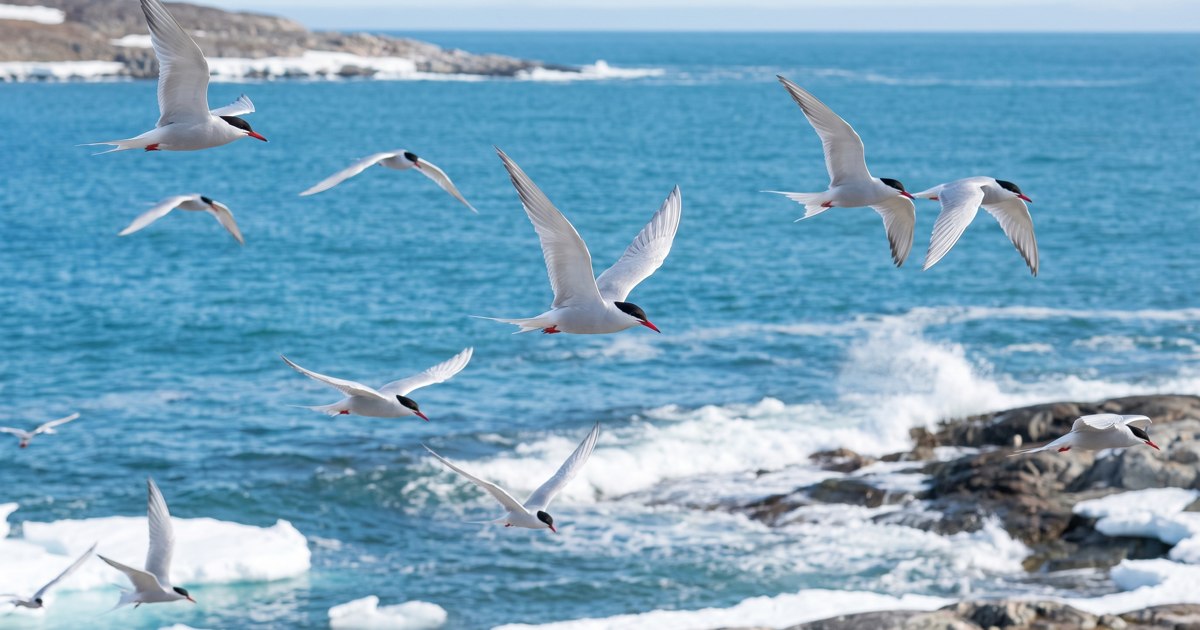
Bird migration is one of the most breathtaking spectacles in the natural world. Twice a year, billions of birds embark on dangerous, multi-continental journeys to follow seasonal shifts in food and climate. This phenomenon is driven by complex biological clocks, magnetic navigation, and physical feats of endurance that push the limits of vertebrate survival. While many think of migration as a simple trip south for the winter, the reality is far more extreme. Some species, like the Bar-tailed Godwit, travel across entire oceans without a single stop, while others, like the Arctic Tern, effectively chase the sun by traveling between the Arctic and the Antarctic, experiencing more daylight than any other creature on the planet. This quiz explores the mechanics behind these journeys—the navigational senses, the incredible physiological adaptations, and the sheer grit required to traverse thousands of miles. We will look at how birds prepare their bodies, burning fat reserves and shrinking internal organs to become more aerodynamic. Whether they navigate by the stars, the Earth's magnetic field, or celestial landmarks, these feathered travelers remain the ultimate long-distance athletes. Prepare to be amazed by the scale, precision, and mystery of these avian marathons.
The Mechanics of Avian Endurance
Migration is not merely travel; it is a physiological metamorphosis. To prepare for the strain, birds often undergo 'hyperphagia,' an intense period of overeating. During this time, they pack on significant fat reserves—sometimes doubling their body weight. Interestingly, some birds even shrink non-essential organs, such as their digestive tract, and enlarge their heart and flight muscles to optimize performance. Once in the air, these birds rely on a sophisticated 'internal GPS.' This system incorporates multiple inputs: the sun’s position, the Earth’s magnetic field, and even stellar maps learned from their parents. By integrating these cues, they can navigate thousands of miles with pinpoint accuracy, often returning to the exact same tree or nesting site year after year.
The V-Formation and Aerodynamic Efficiency
One of the most iconic images of migration is the V-formation, commonly seen with geese and swans. This is a brilliant display of cooperative survival. By flying in this specific alignment, each bird positions itself to take advantage of the 'upwash' generated by the wingtips of the individual in front. Scientific studies using sensors on captive-bred birds have confirmed that this formation drastically reduces the heart rate and energy expenditure of trailing birds. The lead position is the most taxing, which is why flock members frequently rotate to share the load, ensuring the entire group can cover longer distances than a solitary bird ever could.
Navigational Marvels and the Future
Despite our advancements in radar and satellite tracking, there are still mysteries surrounding bird migration. How do young birds, migrating for the first time without parental guidance, manage to navigate thousands of miles? Research indicates that they are born with an innate genetic 'map' that directs them on their general route, which they later refine with experience. Unfortunately, these journeys are becoming increasingly difficult. Climate change is shifting the availability of seasonal food sources, and habitat loss at critical 'stopover' sites—the refueling stations where birds rest—poses a major threat to migratory success. Conservation efforts now focus not just on breeding grounds, but on protecting the entire chain of stopovers across global flyways.
Frequently Asked Questions (FAQ)
- Do all birds migrate? No, many birds are sedentary and remain in the same region year-round, while others migrate locally due to food scarcity.
- Is migration always north to south? Most migrations follow a north-south axis, but some occur east-west or at different altitudes (altitudinal migration).
- Do birds get lost? Yes, especially young birds or those caught in extreme weather events; however, they possess high compensatory abilities to get back on track.
- How fast do they fly? Migration speeds vary greatly, with many birds traveling 20-50 miles per day on average, but capable of 'sprinting' hundreds of miles in a single night.
Test what you learned
Question 1 of 10
Which bird species holds the record for the longest non-stop flight, documented to cross the Pacific Ocean without resting?
Sources & further reading
Sources checked for this article’s publication on Invalid Date. Study figures retain their original publication dates.
Shop this topic on Amazon
As an Amazon Associate we earn from qualifying purchases.
Comments
Share your score, argue with a question or add a fact we missed. Comments are checked before they appear, and links are removed automatically.
- No comments yet. Be the first.