

Making Movie Magic: The Art of Sound Effects
Movies · 3 min read · 11/10/2026
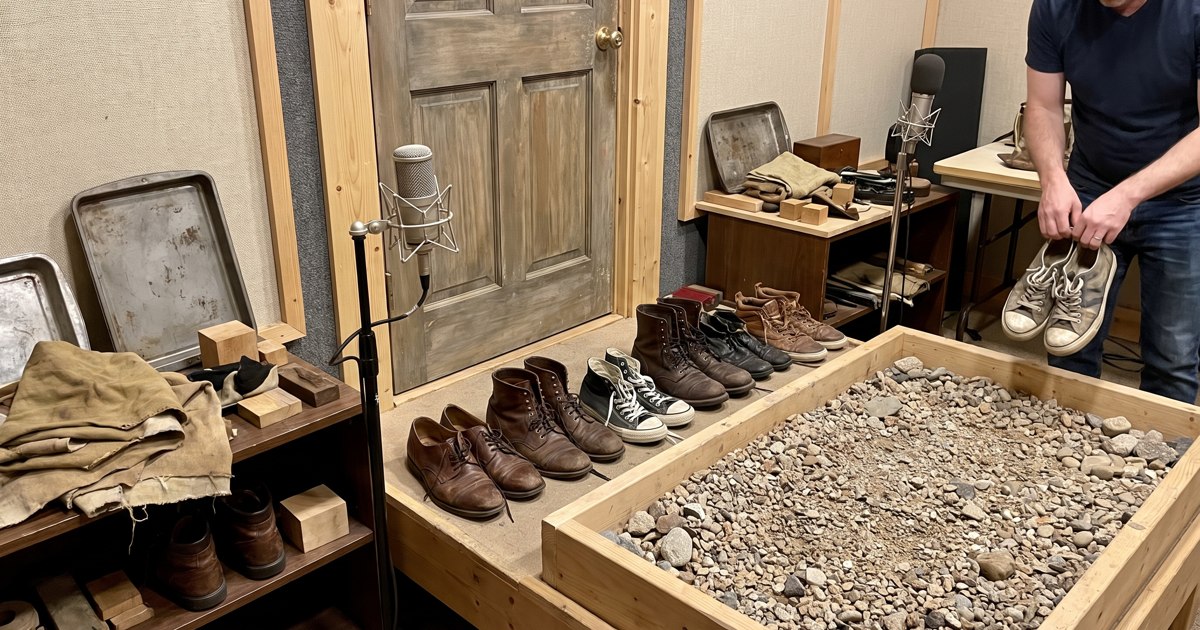
When you watch a film, the visuals often steal the show, but it's the meticulously crafted soundscape that truly immerses you in the story. From the subtle rustle of leaves to the deafening roar of an explosion, every audible element in a movie is carefully designed to evoke emotion, define environments, and propel the narrative. This goes far beyond simple recording; it's an intricate art form involving foley artists, sound designers, and mixers who use everyday objects, advanced technology, and sheer creativity to build the sonic world of a film. This quiz will take you behind the scenes, exploring the fascinating techniques and unsung heroes responsible for the magic your ears experience in the cinema. Prepare to have your perception of movie sounds forever changed as we reveal the secrets behind the splashes, punches, and alien noises that make films unforgettable.
The Unsung Heroes of Cinema: Foley Artists
When you hear the crunch of footsteps on gravel, the clink of ice in a glass, or the swish of a coat, chances are you're listening to the work of a foley artist. Named after Jack Foley, a sound effects pioneer from the early 20th century, foley art is the craft of creating and performing everyday sounds in synchronization with picture. These artists don't just record sounds; they perform them live to match the action on screen, often in a specialized foley studio filled with diverse surfaces (like concrete, wood, dirt, and carpet) and an eclectic collection of props.
The need for foley arose because recording dialogue cleanly on set often means sacrificing ambient sounds. A boom mic positioned for dialogue might not pick up the subtle rustle of clothing, or the distinct sound of a character's shoes on a particular surface. Furthermore, many sounds are simply too difficult, expensive, or impractical to record during principal photography. Imagine trying to get a perfect punch sound without actually hitting someone, or the exact sizzle of bacon without cooking on set. Foley artists fill these gaps, bringing realism and texture back into the soundscape. They are masters of creative problem-solving, turning ordinary objects into extraordinary sonic illusions.
Beyond Realism: The Magic of Sound Design
While foley artists excel at recreating realistic everyday sounds, sound designers take on a broader, more conceptual role. A sound designer is the architect of a film’s entire sonic world. They often work closely with the director to understand the desired mood, atmosphere, and emotional impact. Their responsibilities can range from creating fantastical alien languages and monster roars to crafting the intricate hum of a futuristic city or the terrifying silence of deep space. They might layer multiple sounds, manipulate existing recordings, or synthesize entirely new sounds to achieve a specific effect that couldn't possibly be captured in reality. Think of the iconic lightsaber hums in Star Wars or the terrifying roar of the T-Rex in Jurassic Park – these are the hallmarks of brilliant sound design.
Sound designers use a variety of tools, from digital audio workstations (DAWs) and synthesizers to extensive sound effect libraries. They employ techniques like pitching, reversing, filtering, and adding reverb to transform simple noises into something grand, menacing, or ethereal. For example, the sound of a metallic clang might be pitched down, reverbed, and layered with an animal growl to create a formidable monster's footsteps.
Famous Foley Tricks and Everyday Objects
- Horse Hooves: Halved coconut shells clapped on various surfaces remain the classic method.
- Rain: Frying bacon or pouring dried beans onto a drum head can simulate rainfall.
- Cracking Bones/Ice: Snapping celery stalks or breaking frozen lettuce leaves achieves this gruesome sound.
- Walking in Snow: Squeezing a box of cornstarch or flour, or even walking on a pillow filled with cornstarch, mimics the crunch of snow.
- Punching Sounds: Hitting a rolled-up newspaper or a leather jacket with a fist creates a satisfying thud.
- Rustling Clothes: Rubbing two pieces of fabric (like silk or denim) together to match character movements.
- Squishy Gore: Squishing tomatoes, grapes, or other juicy fruits for unsettling blood and guts effects.
- Bird Wings/Flapping: Flapping gloves or a pair of leather flaps can simulate the movement of wings.
The Final Mix: Bringing it All Together
Once all the dialogue, music, foley, and sound effects are created, they enter the final stage: sound mixing. The sound mixer is responsible for balancing all these elements, ensuring that dialogue is clear, music enhances emotion without overpowering the scene, and sound effects contribute to the realism and impact. This process involves intricate adjustments to volume, equalization, panning (moving sounds across speakers), and adding effects like reverb or delay to place sounds convincingly within the cinematic space. A well-mixed soundtrack is seamless, guiding the audience's ear without drawing attention to itself, becoming an invisible yet indispensable part of the storytelling.
FAQ: Behind the Sounds
Are all sound effects in movies made from scratch?
No, a combination of methods is used. Foley artists create many sounds live, sound designers create unique effects using various techniques (including synthesizing new sounds), and many productions also utilize extensive sound effect libraries. These libraries contain pre-recorded sounds that can be adapted and layered.
What's the difference between diegetic and non-diegetic sound?
Diegetic sound is any sound that originates from within the story's world, meaning the characters could theoretically hear it (e.g., dialogue, a car horn, music from a radio in the scene). Non-diegetic sound is external to the story's world and heard only by the audience, like background music (the score) or a narrator's voice-over.
Can you become a foley artist without formal training?
While formal training in audio production or film can be beneficial, many foley artists learn on the job as apprentices. What's most important is a keen ear, a strong sense of rhythm and timing, immense creativity, and the ability to think innovatively about how to create sounds from unconventional sources. Practice, experimentation, and building a portfolio are key.
Test what you learned
Question 1 of 10
What is the specialized craft of creating and performing everyday sound effects for film and television, often using ordinary objects, called?
Sources & further reading
Sources checked for this article’s publication on Invalid Date. Study figures retain their original publication dates.
Shop this topic on Amazon
As an Amazon Associate we earn from qualifying purchases.
Comments
Share your score, argue with a question or add a fact we missed. Comments are checked before they appear, and links are removed automatically.
- No comments yet. Be the first.