
Facts About Dogs That Surprise Most Owners
Animals · 8 min read · 9/15/2026
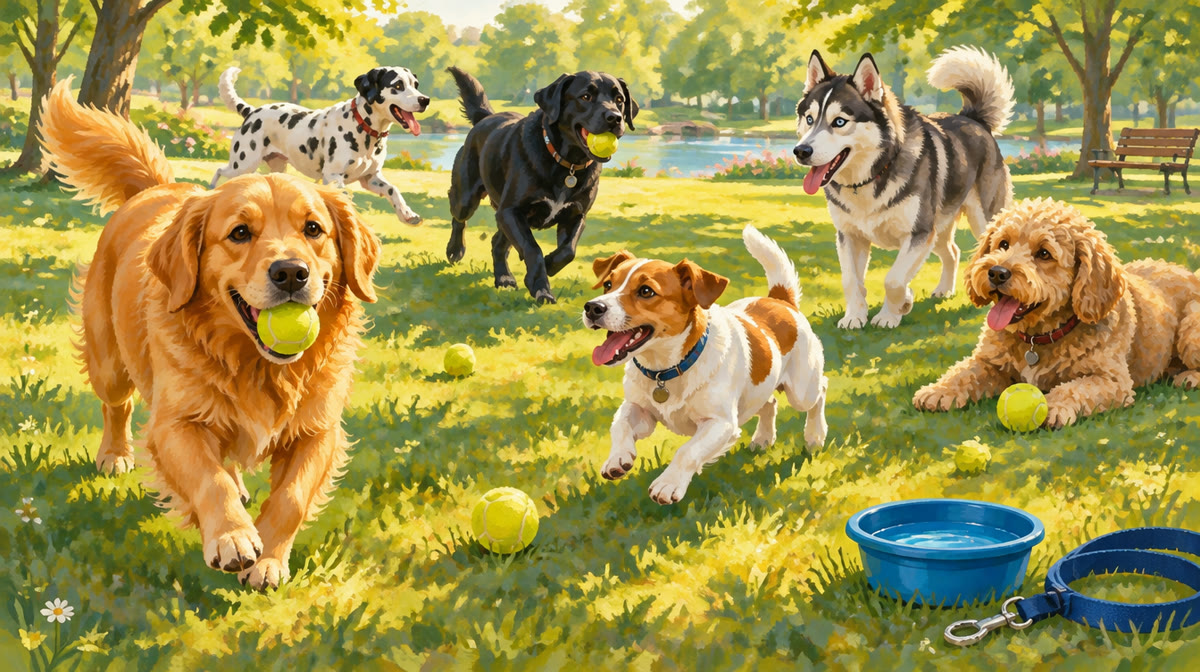
Dogs have lived alongside humans for tens of thousands of years, and that long partnership has shaped their senses, social behaviour and even how they process human expressions. Many owners underestimate exactly how attuned dogs have become to the people around them.
A sense of smell built for detail
Dogs possess up to roughly 300 million olfactory receptors compared to about 6 million in humans, along with a much larger portion of the brain devoted to processing smell. This allows trained dogs to detect specific diseases, explosives or missing people, sometimes identifying scent traces at concentrations far below what any instrument can measure practically in the field.
- A dog's nose print pattern is unique, similar to a human fingerprint.
- Dogs can often detect scent left behind after only a few molecules remain in the air.
- Working scent dogs undergo lengthy specialized training for tasks like detecting certain cancers.
- Dogs use each nostril somewhat independently to help determine a scent's direction.
Reading human faces closely
Research indicates dogs pay particular attention to human facial expressions and can distinguish between different emotional cues. Some studies suggest dogs tend to look toward the left side of a human face first, a pattern also seen when humans process emotional expressions, hinting at shared aspects of social cognition.
A dog watching its owner's face is not simply waiting for a command; it is actively reading emotional information.
Dogs likely dream
Studies of brain activity during sleep suggest dogs experience distinct sleep cycles similar in structure to humans, including a rapid eye movement stage associated with dreaming. Smaller dog breeds appear to dream more frequently than larger breeds, based on the pattern of brief REM cycles researchers have observed, though larger dogs' dreams may last longer per cycle.
Tail wagging carries specific meaning
Research has found that dogs tend to wag their tails more to the right side when experiencing positive emotions and more to the left during negative or fearful situations, a pattern linked to brain hemisphere activity. Other dogs appear to notice and respond to this asymmetry, suggesting tail position functions as genuine communication.
- Puppies are typically born deaf and blind, developing these senses over the following weeks.
- Dogs' whiskers help them sense nearby objects, particularly in low light.
- Some breeds were specifically developed for scent work, herding, or guarding rather than companionship alone.
- A dog's heart rate can noticeably slow when being petted by a familiar, trusted person.
A relationship shaped by mutual attention
Unlike wolves, dogs make frequent eye contact with humans, a behaviour linked to oxytocin release in both species, similar to bonding seen between parents and infants. This mutual gaze appears to have developed specifically through the domestication process rather than existing in wild canine ancestors to the same degree.
These findings suggest dogs are not just responsive companions but active social partners who continuously monitor, interpret and respond to human behaviour in ways that took thousands of years of shared history to develop.
Shop this topic on Amazon
As an Amazon Associate we earn from qualifying purchases.
Test yourself on this topic

Comments
Share your score, argue with a question or add a fact we missed. Comments are checked before they appear, and links are removed automatically.
- No comments yet. Be the first.