
Strange Facts About Fast Food You Never Ordered
Pop Culture · 8 min read · 9/15/2026
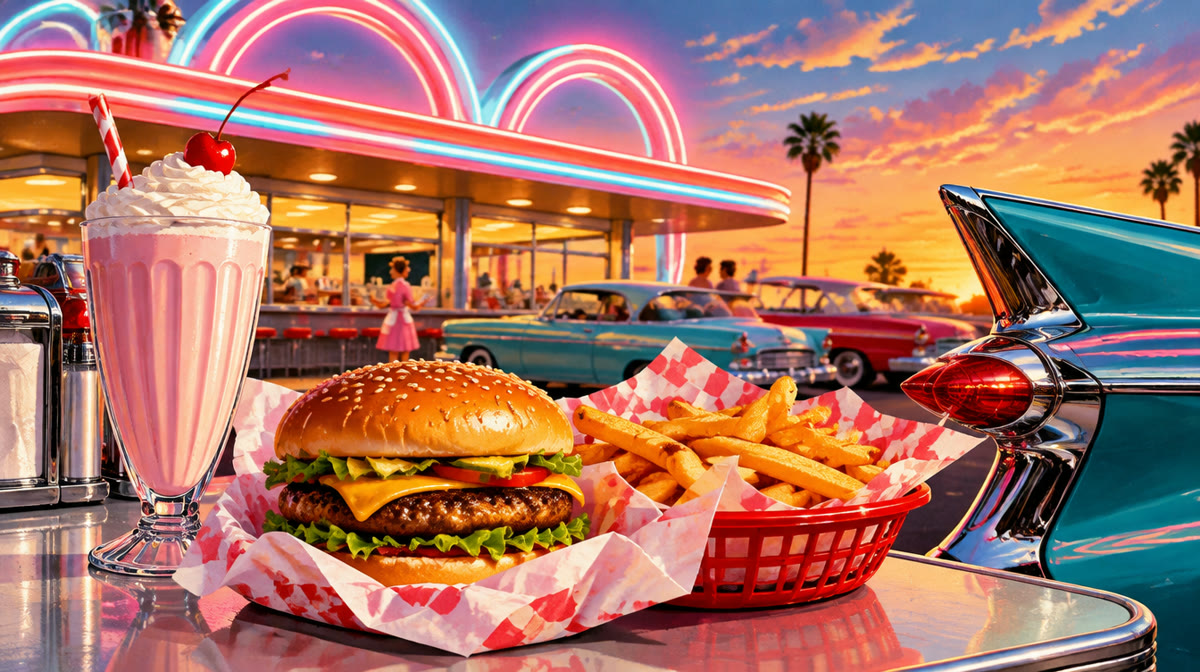
Fast food chains are so familiar that their histories can seem simple, yet many carry surprisingly complex origin stories, quiet menu experiments and business decisions that shaped the entire industry. Looking behind the counter reveals a much stranger business than the standardized menus suggest.
McDonald's began as a barbecue restaurant
Brothers Richard and Maurice McDonald originally opened a barbecue restaurant in San Bernardino, California, in 1940 before streamlining their menu and kitchen process in 1948 into what became known as the Speedee Service System, focusing on burgers, fries and drinks served quickly. Ray Kroc later franchised the concept nationally after joining the company as a franchise agent in 1955.
The Big Mac's origin was regional
The Big Mac was created in 1967 by Jim Delligatti, a McDonald's franchisee in Pennsylvania, before being added to the national menu the following year. Its now-famous special sauce and double-patty format proved successful enough regionally that headquarters adopted it company-wide.
Many now-iconic fast food items began as local experiments that corporate offices only adopted after seeing real regional success.
- Wendy's founder Dave Thomas named the chain after his daughter's childhood nickname.
- KFC's Colonel Sanders held an honorary Kentucky Colonel title, unrelated to actual military service.
- Taco Bell's founder Glen Bell previously operated a hot dog stand before shifting toward Mexican-inspired fast food.
- In-N-Out Burger has maintained a notably small, unfranchised menu since opening in 1948.
Secret and regional menus persist
Several major chains maintain unofficial secret menu items that spread mainly through customer word of mouth rather than official advertising, along with regional items tailored to local tastes, such as certain seasonal or country-specific menu offerings not available everywhere a chain operates.
Mascots have changed dramatically over time
Fast food mascots have evolved significantly to match shifting marketing trends and, in some cases, public criticism about their appeal to children. Ronald McDonald's design and prominence have shifted over decades, while some historical fast food mascots have been quietly retired due to changing cultural sensitivities or evolving marketing strategy.
- Chick-fil-A's cow mascot campaign, encouraging customers to 'Eat Mor Chikin', began in 1995.
- Burger King's King mascot has been redesigned multiple times since its original 1950s version.
- Some mascots were discontinued after market research suggested they no longer resonated with target audiences.
- International markets sometimes feature entirely different mascots or advertising strategies than the home market.
A business built on consistency
Fast food's core innovation was never really the food itself but a reliably consistent, quickly produced product delivered identically across thousands of locations. That operational consistency, more than any individual menu item, is what transformed a handful of regional restaurants into some of the most recognizable brands in the world.
Fast food's familiar simplicity hides a genuinely intricate business history of franchising strategy, regional experimentation and careful brand management developed over more than seventy years.
Shop this topic on Amazon
As an Amazon Associate we earn from qualifying purchases.
Test yourself on this topic
Personality Tests · 12 questions
Which Snack Are You? Snack Personality Quiz
Twelve playful questions matching snack personalities to traits, moods and social styles. Pure fun.
Pop Culture · 12 questions
2010s Internet Culture Quiz: Memes, Apps and Viral Moments
The decade that gave us viral dances, six-second videos and a dress nobody could agree on. Twelve questions.
Pop Culture · 12 questions
Funny Multiple Choice Trivia Questions
Silly-sounding questions with genuinely true answers — the funniest facts are the real ones.
Comments
Share your score, argue with a question or add a fact we missed. Comments are checked before they appear, and links are removed automatically.
- No comments yet. Be the first.