
One Punch Man Facts: Creator ONE, Webcomic & Anime History
Anime · 5 min read · 10/6/2026
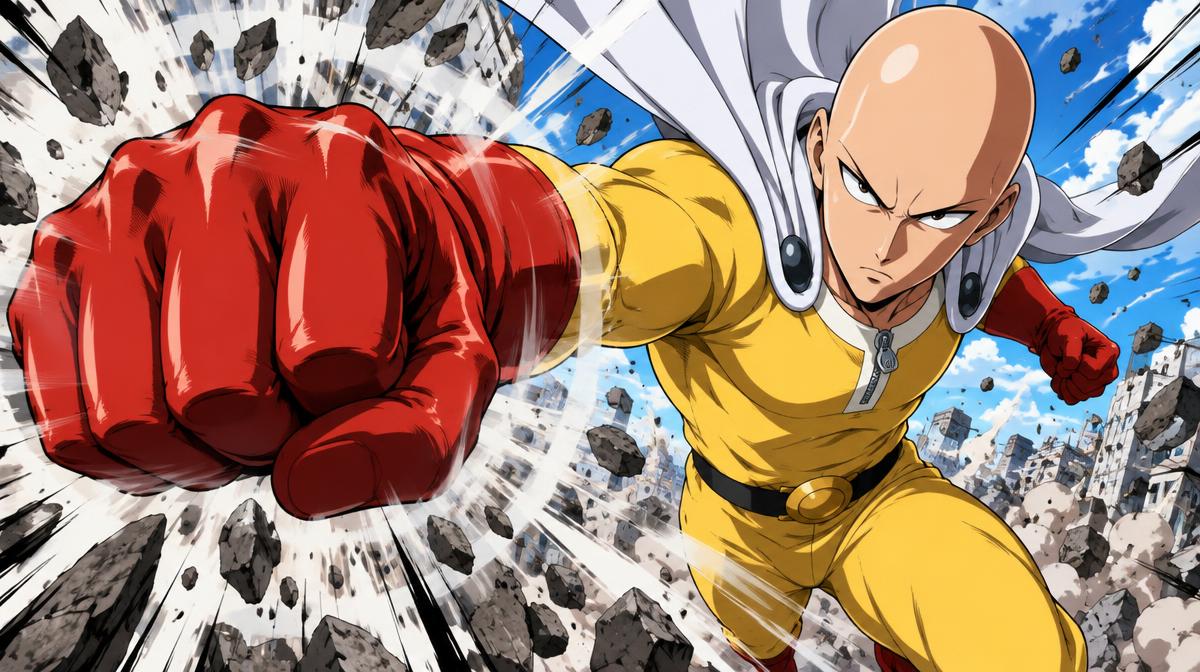
One Punch Man began as a self-published webcomic by the Japanese artist known only by the pseudonym ONE, debuting in July 2009. The series famously subverts shonen tropes by featuring a protagonist, Saitama, who is so powerful that he has become bored with combat. What started as a practice exercise for ONE's digital drawing software quickly transformed into a viral sensation, eventually leading to a high-definition manga remake by Yusuke Murata and two seasons of television animation produced by Madhouse and J.C.Staff respectively.
The Digital Origins: ONE and the Webcomic
The story of One Punch Man is inseparable from its creator, ONE. In 2009, ONE was working as a salaryman while pursuing manga as a hobby. He started the webcomic on a self-publishing site called Shintosha. His goal was not commercial success but rather to practice using a drawing program called ComicStudio. The art style of the original webcomic was famously crude, characterized by simple line work and a lack of traditional anatomical precision. However, the strength of the writing, pacing, and comedic timing resonated deeply with online audiences.
Within three years of its debut, the webcomic was receiving approximately 20,000 hits per day and had accumulated over 10 million total views. Despite the rudimentary art, the story’s core—a man who achieved his dream but found it unfulfilling—struck a chord. ONE has stated in interviews that he wanted to focus on the psychological toll of being unbeatable, rather than the typical progression of power found in Dragon Ball or One Piece.
The Murata Connection: From Fan to Collaborator
Yusuke Murata, a veteran manga artist known for his work on the American football series Eyeshield 21, was one of the millions of readers following ONE's webcomic. In 2011, Murata fell ill and, during a period of hospitalization, realized he wanted to work on a project he truly loved before his career ended. Having been a fan of ONE's storytelling, Murata reached out to ONE via Twitter to propose a collaboration.
Murata’s proposal was unique: he wanted to redraft the entire series with high-fidelity, professional artwork while keeping ONE’s original story and storyboarding intact. This partnership led to the serialization of the One Punch Man remake in Young Jump Web Comics, published by Shueisha, starting in June 2012. Murata’s involvement transformed the series from a cult web hit into a visual powerhouse, featuring some of the most detailed and dynamic action sequences in modern manga history. The digital format allowed Murata to experiment with "animation-style" spreads, where scrolling down the page created the illusion of motion.
Serialization and Global Sales Success
The transition to a professional magazine format under Shueisha catapulted the series into the mainstream. The physical tankobon volumes became instant bestsellers. As of 2024, the manga has surpassed 30 million copies in circulation worldwide. The English translation, handled by VIZ Media, also saw significant success, appearing on The New York Times Manga Best Sellers list multiple times.
One of the defining characteristics of the serialization is the collaborative process. ONE continues to provide the plot and rough storyboards (nemu) for each chapter, ensuring the tone remains consistent with his original vision. Murata then expands these sketches into full-fledged chapters, often adding cinematic flourishes that have earned him a reputation as one of the best illustrators in the industry.
The Madhouse Era: Season One Animation
In 2015, the animation studio Madhouse took on the challenge of adapting Murata's intricate art for the small screen. Directed by Shingo Natsume, the first season of One Punch Man became a global phenomenon. It is often cited as a masterclass in action animation, not necessarily because of a massive budget, but due to Natsume’s ability to recruit top-tier freelance animators who were fans of the source material.
The first season aired from October to December 2015 and was praised for its fluidity, musical score by Makoto Miyazaki, and faithfulness to the manga’s visual gags. The success of the anime brought the franchise to a Western audience via platforms like Netflix and Hulu, cementing Saitama’s place as a modern pop culture icon.
The Transition to J.C.Staff: Season Two
After a long hiatus, the production of the second season was announced, but with significant changes. The production moved from Madhouse to J.C.Staff, and Chikara Sakurai replaced Shingo Natsume as director. This transition, which occurred in 2019, was met with mixed reactions from the fanbase. J.C.Staff utilized different animation techniques, including a more heavy reliance on digital textures and 3D modeling for certain mechanical elements.
Despite the change in visual style, Season Two continued to cover the "Human Monster" arc, focusing on the character Garou. The shift in studios highlighted the difficulties of maintaining the astronomical production standards set by the first season’s freelance "dream team." However, the series remained commercially viable, maintaining high viewership numbers globally.
Cultural Influence and Subversion
One Punch Man is frequently analyzed for its deconstruction of the "Hero's Journey." In most shonen narratives, the protagonist gains strength through hardship and training. Saitama, however, begins the story having already reached the pinnacle of power. The conflict is rarely about whether he will win, but rather how he deals with the existential boredom of his success.
This subversion has influenced a new wave of "overpowered protagonist" stories in the anime industry. Furthermore, the success of ONE—who went on to create Mob Psycho 100—proved that compelling writing could overcome a lack of traditional artistic skill in the digital age. He remains one of the most successful examples of a webcomic creator transitioning to the professional manga industry.
FAQ
- Who is the original creator of One Punch Man?
The series was created by a Japanese artist under the pseudonym ONE, who launched it as a webcomic in 2009.
- Why does the manga look so different from the webcomic?
The manga is a remake illustrated by Yusuke Murata, a professional artist who collaborated with ONE to bring high-quality artwork to the original story.
- Which studio animated One Punch Man?
Season One was produced by Madhouse. Season Two was produced by J.C.Staff. A third season has been announced with J.C.Staff returning.
- Is the webcomic still ongoing?
Yes, ONE continues to release chapters of the original webcomic periodically, though the schedule is irregular compared to the professional manga remake.
- How many copies has the manga sold?
As of recent records, the One Punch Man manga has sold over 30 million copies worldwide.
Shop this topic on Amazon
As an Amazon Associate we earn from qualifying purchases.
Test yourself on this topic
Anime · 12 questions
Anime Legends Quiz: 12 Questions Only Real Fans Pass
Twelve questions across four decades of anime, from 1980s film landmarks to modern streaming record breakers.
Cartoons · 12 questions
Cartoon Classics Quiz: Do You Remember Saturday Mornings?
A friendly twelve-question trip through decades of animated television, from talking dogs to catchphrases you still use.
Famous Quotes · 12 questions
Famous Movie Quotes Quiz: Can You Name the Film?
Twelve lines that escaped their movies and became everyday speech. Match each quote to the film it came from.
Comments
Share your score, argue with a question or add a fact we missed. Comments are checked before they appear, and links are removed automatically.
- No comments yet. Be the first.