
Fun Facts About Anime Studios You Should Know
Anime · 8 min read · 9/15/2026
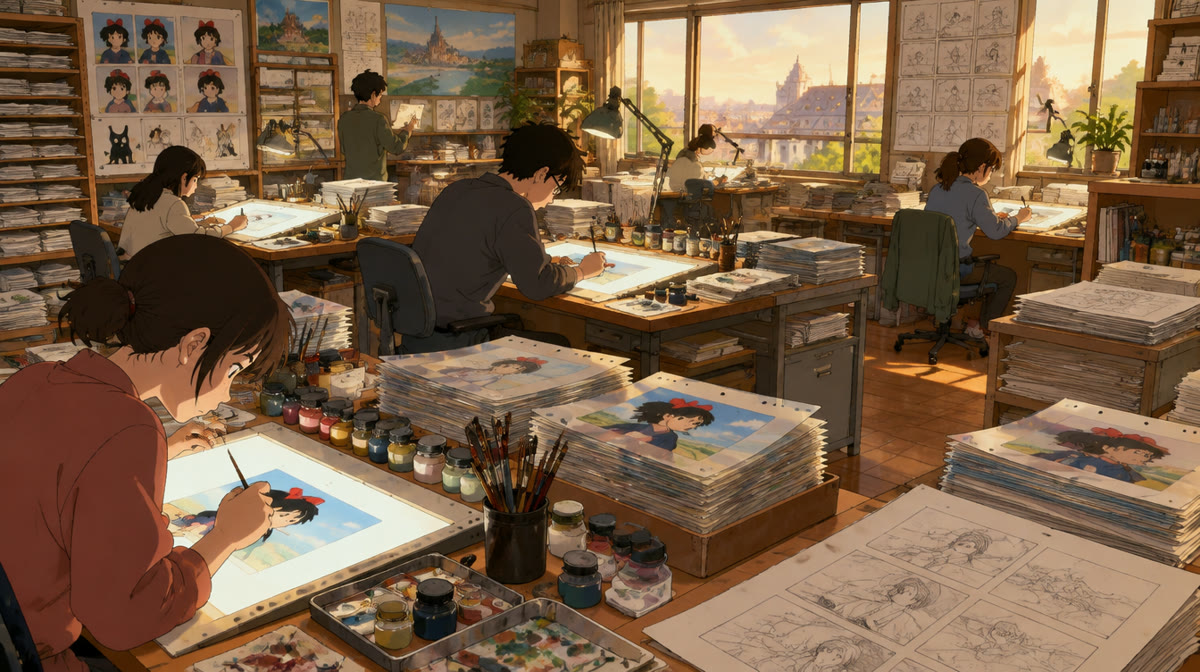
Anime fans often follow specific characters or franchises, but the studios behind the animation carry their own identities, working philosophies and production histories. Understanding a studio's background can explain why certain shows share a visual style, a pace of storytelling or a reputation for particular genres.
Studio Ghibli's commitment to traditional animation
Studio Ghibli, founded in 1985 by Hayao Miyazaki, Isao Takahata and producer Toshio Suzuki, became known for its dedication to hand-drawn animation even as digital techniques became widespread across the industry. Films like Spirited Away, released in 2001, combined traditional artistry with selective digital tools rather than abandoning hand-drawn methods entirely.
Toei Animation's long history
Toei Animation, established in 1948, is one of the oldest and largest anime studios and has produced long-running franchises including Dragon Ball and One Piece. Its scale allows it to sustain weekly series for years, a very different production model from studios that focus on single seasonal projects.
A studio's production model shapes the pace of a story just as much as any writer's plan.
- Kyoto Animation is known for detailed background art and strong character animation.
- Madhouse has produced acclaimed works across many genres, including Death Note and Perfect Blue.
- Sunrise, now part of Bandai Namco Filmworks, is closely associated with the Gundam franchise.
- Production I.G gained international attention with Ghost in the Shell in 1995.
Studio Trigger's energetic style
Studio Trigger, founded in 2011 by former Gainax staff including Hiroyuki Imaishi, became known for high-energy, visually bold works such as Kill la Kill and Promare. The studio's staff frequently emphasize dynamic movement and exaggerated expression over strict realism.
Weekly deadlines shape visible quality
Because many anime are produced on tight weekly broadcast schedules, animation quality can noticeably fluctuate within a single season, with especially demanding scenes sometimes receiving extra resources at the expense of quieter episodes. Fans and industry commentators often track these fluctuations closely, sometimes calling particularly weak episodes a sign of production strain.
- Anime production committees often pool funding from multiple companies to spread financial risk.
- Some studios specialise heavily in one genre, while others work across many different types of series.
- In-between animation is frequently outsourced to studios in other countries to meet deadlines.
- Digital tools have become standard for coloring and compositing even in studios favouring hand-drawn key animation.
Why studio identity matters to fans
Long-time viewers often recognize a studio's visual signature before checking credits, whether through Kyoto Animation's soft lighting or Trigger's exaggerated motion. Following studios rather than only franchises can be a useful way to discover new series with a consistent creative sensibility.
Anime's global growth has increased pressure on production schedules and staff, prompting ongoing industry discussion about labour conditions. Appreciating the studios behind favourite shows means recognizing both their artistic achievements and the demanding process required to produce them.
Shop this topic on Amazon
As an Amazon Associate we earn from qualifying purchases.
Test yourself on this topic
Anime · 12 questions
Anime Legends Quiz: 12 Questions Only Real Fans Pass
Twelve questions across four decades of anime, from 1980s film landmarks to modern streaming record breakers.

Anime · 12 questions
Anime Openings Quiz: Themes, Studios and Soundtracks
Opening themes, the studios behind them and the composers who made them stick. Twelve questions.
Anime · 12 questions
One Punch Man Quiz: Heroes, Ranks and Monsters
Saitama, the Hero Association ranks and the monsters nobody can survive. Twelve questions.
Comments
Share your score, argue with a question or add a fact we missed. Comments are checked before they appear, and links are removed automatically.
- No comments yet. Be the first.