

Why Leaves Change Colour: Nature's Art Show
Nature · 4 min read · 10/19/2026
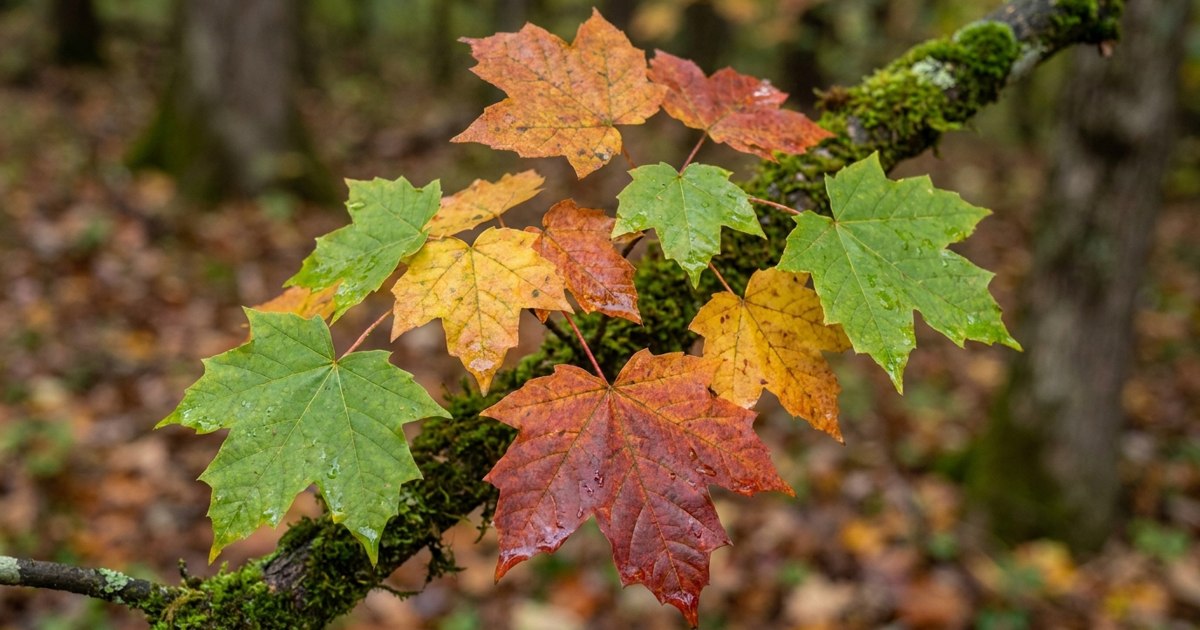
Leaves change colour because shorter days and seasonal conditions reduce chlorophyll production. As green fades, existing yellow and orange carotenoids become visible; some species also make red anthocyanins in autumn. Weather and species determine the mixture, timing and intensity.
The Annual Spectacle: Why Leaves Change Colour
Every year, as summer wanes and autumn's chill sets in, the world's deciduous forests undergo a mesmerizing transformation. Green canopies erupt into a blaze of reds, oranges, golds, and browns, drawing millions to witness nature’s spectacular art show. But this vibrant display is far from merely aesthetic; it's a profound biological process, a vital part of a tree’s survival strategy as it prepares for the harshness of winter. Understanding why leaves change color unveils a complex interplay of chemistry, light, and climate, revealing the ingenuity of the plant kingdom.
The Dominant Green: Chlorophyll's Role
During spring and summer, leaves are predominantly green due to the abundance of chlorophyll, a pigment essential for photosynthesis. Photosynthesis is the process by which plants convert sunlight, water, and carbon dioxide into glucose (sugar) for energy and growth. Chlorophyll efficiently absorbs red and blue light from the solar spectrum, reflecting the green light, which is why we perceive leaves as green. As long as there is ample sunlight and water, trees continuously produce chlorophyll, masking other pigments present in the leaves.
The Trigger: Shifting Seasons
The primary trigger for the change in leaf color isn't just cooler temperatures, but rather the shortening of daylight hours—a phenomenon known as photoperiodism. As autumn approaches, days grow shorter and nights grow longer. Trees are exquisitely tuned to these subtle shifts. This reduction in light signals to the tree that winter is coming, prompting it to begin preparing for dormancy. Part of this preparation involves shutting down its photosynthetic factories and reclaiming valuable nutrients from its leaves before they are shed.
Unmasking the Yellows and Oranges: Carotenoids
Beneath the dominant green of chlorophyll, other pigments have been present in the leaves all along, though largely unseen. These are the carotenoids, responsible for the brilliant yellow and orange hues. Carotenoids, which include carotenes (orange) and xanthophylls (yellow), also play a role in photosynthesis by assisting chlorophyll and protecting it from damage. As daylight diminishes and temperatures drop, the tree stops producing new chlorophyll, and the existing chlorophyll molecules begin to break down. Because carotenoids are more stable, they remain in the leaves for a longer period, finally becoming visible as the green fades, revealing the stunning golds and oranges of autumn.
The Brilliant Reds and Purples: Anthocyanins
The vibrant reds, purples, and even some maroons seen in fall foliage are thanks to another group of pigments called anthocyanins. Unlike chlorophyll and carotenoids, anthocyanins are not present in the leaves throughout the growing season. Instead, they are produced in autumn, usually as a protective response to a combination of environmental factors. Bright, sunny days in autumn, coupled with cool (but not freezing) nights, are ideal conditions for anthocyanin production. The bright sun encourages photosynthesis, producing sugars, while the cool nights prevent these sugars from flowing out of the leaves. These trapped sugars are then converted into anthocyanins. The role of anthocyanins is thought to be multi-faceted, including protecting the leaves from excess light and cold as the tree reclaims nutrients, acting as a sunscreen or antioxidant.
The Browns: Tannins and Pigment Degradation
Brown tones become more visible as brighter pigments fade. Tannins and other compounds contribute to these colors; the exact mixture varies by leaf species and stage of decay.
Preparation for Winter: The Abscission Layer
As the pigments perform their final show, a specialized layer of cells, known as the abscission layer, forms at the base of the leaf stalk (petiole). This layer gradually weakens the connection between the leaf and the branch, effectively sealing off the leaf from the tree's vascular system. Once formed, the abscission layer allows the leaf to detach cleanly, preventing water loss (transpiration) during winter when water is frozen and unavailable, and reducing the risk of branches breaking under the weight of snow and ice. The shedding of leaves also allows the tree to conserve energy and nutrients until spring.
Factors Influencing Fall Color Intensity
The intensity and duration of fall colors can vary significantly from year to year, depending on several factors: Weather: A warm, wet spring followed by a summer that is not too dry, and then an autumn with sunny days and cool, frost-free nights often leads to the most vibrant displays. Drought or early severe frosts can mute colors. Tree Species: Different tree species inherently produce different types and amounts of pigments. Maples are known for reds and oranges, birches and aspens for yellows, and oaks for russets and browns. Tree Health: Healthy trees with ample stored sugars typically produce more vibrant colors. Stressed or diseased trees may have muted or premature color changes. Light Exposure: Leaves exposed to more direct sunlight often develop more intense coloration, especially reds.
Frequently Asked Questions About Fall Foliage
- Why do some trees turn red while others turn yellow or orange? Different tree species have varying genetic predispositions to produce certain pigments. For example, maples are prolific anthocyanin producers (reds), while birches and aspens primarily rely on carotenoids (yellows/oranges). The specific environmental conditions during a given autumn can also favor one pigment over another, influencing the dominant color.
- Does climate change affect fall foliage? Yes, changes in temperature and precipitation patterns can impact the timing and intensity of fall colors. Warmer autumns can delay the onset of color change and reduce the vibrancy of red and purple hues, as anthocyanin production is favored by cool nights. Increased drought can also lead to premature leaf drop or muted colors.
- Why do evergreen trees not change color and shed their leaves? Evergreen trees, such as conifers (pines, firs, spruces), have adapted to retain their needles (leaves) year-round. Their needles have a thick, waxy coating and a lower surface area to minimize water loss, and their sap contains a natural antifreeze. They also shed older needles gradually throughout the year, rather than all at once, which makes the color change less noticeable.
- Is there a "peak time" to see fall colors? The peak time for fall foliage varies greatly by geographical location, elevation, and annual weather patterns. Generally, northern regions and higher elevations experience peak colors earlier in autumn. Many tourism boards and park services provide fall foliage reports to help visitors plan their trips during peak viewing.
- Do all parts of a tree change color at the same time? Not necessarily. Leaves on the sunniest side of a tree or at the top of the canopy may change color earlier or more intensely due to greater light exposure. Lower branches or shaded areas might lag behind, creating a beautiful gradient of color across a single tree.
Test what you learned
Question 1 of 10
What pigment is responsible for the green color of leaves during spring and summer?
Sources & further reading
Sources checked for this article’s publication on Invalid Date. Study figures retain their original publication dates.
Shop this topic on Amazon
As an Amazon Associate we earn from qualifying purchases.
Test yourself on this topic

Comments
Share your score, argue with a question or add a fact we missed. Comments are checked before they appear, and links are removed automatically.
- No comments yet. Be the first.