

Sweet Surprises: The Strange History of Candy
Pop Culture · 3 min read · 10/27/2026
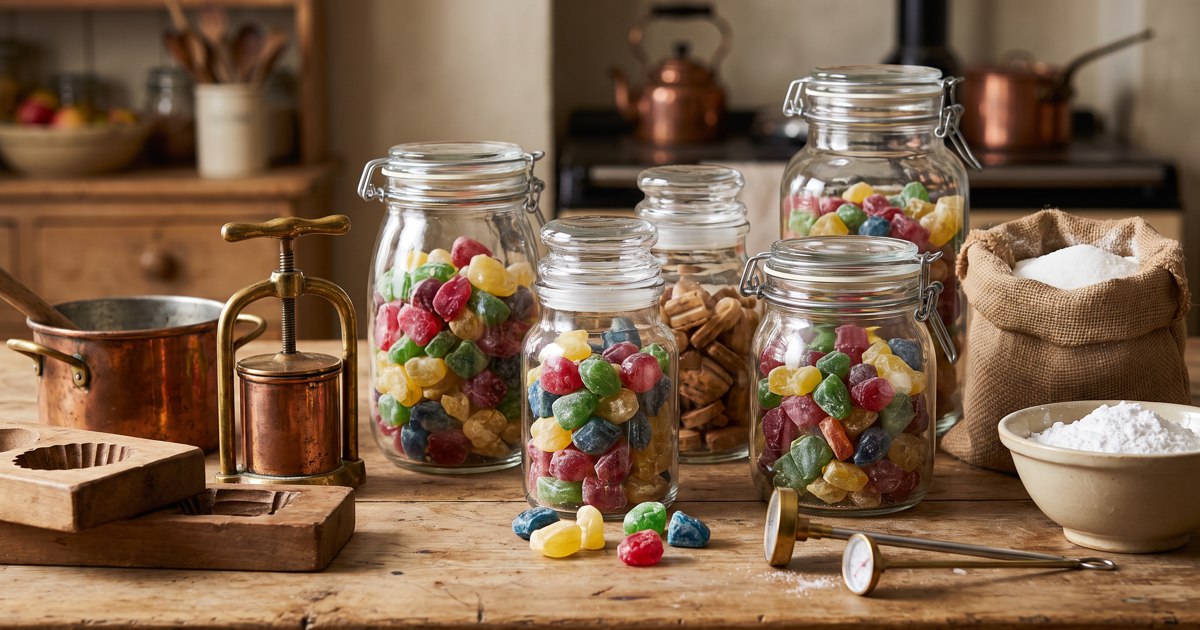
Candy has been a part of human culture for millennia, evolving from simple honey-based concoctions to the elaborate confections we enjoy today. Its history is a fascinating journey, reflecting changes in technology, trade, medicine, and social customs. Initially, sweets were often considered medicinal, used to soothe ailments or preserve fruits. Early forms of candy relied on natural sugars like honey and fruit, but the advent of refined sugar from sugarcane revolutionized confectionery. This transformation brought with it an era of experimentation, leading to the creation of everything from sugar sculptures for royalty to penny candies for the masses. The industrial revolution further democratized candy, making it accessible and affordable. Yet, behind every seemingly innocent sweet lies a story, sometimes strange, sometimes surprising, revealing how these sugary delights intertwined with human civilization, war, and even societal reforms. Let's unwrap the peculiar past of candy, uncovering the hidden narratives that shaped our sugary world.
The Ancient Origins: Not Just for Sweets
The journey of candy begins not in a whimsical factory, but in the heart of ancient civilizations. Long before granulated sugar was a staple, cultures like the ancient Egyptians, Chinese, and Indians experimented with natural sweeteners to create the earliest forms of confections. The Egyptians, for instance, were master confectioners, combining honey – their primary sweetener – with fruits, nuts, and spices. These early treats weren't just for pleasure; they often served medicinal purposes or were offered to deities. The concept of a 'sweet' was intrinsically linked to health and ritual, a far cry from today's impulse buy at the checkout.
In India, around 500 BC, people in the Bengal region began to boil sugarcane juice to create sugar crystals, marking a pivotal moment in sweet history. This discovery slowly spread along trade routes, eventually reaching the Middle East and then Europe, forever changing the landscape of confectionery. However, for centuries, sugar remained an exotic and expensive luxury, often reserved for the elite and used sparingly in medicinal elixirs or as a rare spice, highlighting its precious status.
From Medicine to Mainstream: The Sugar Revolution
When sugar finally arrived in Europe, its initial reception was far from that of a common treat. It was a potent medicine, believed to cure various ailments, and a highly prized spice. Apothecaries, rather than confectioners, were often the primary distributors. Sugar's scarcity meant that elaborate 'sugar sculptures' were reserved for royal feasts, showcasing wealth and power. However, the Age of Exploration and the subsequent Transatlantic Slave Trade irrevocably altered sugar's trajectory. Vast sugarcane plantations in the New World, powered by enslaved labor, flooded Europe with sugar, causing its price to plummet. This tragic history is a somber backdrop to the democratization of sweetness.
The 17th and 18th centuries saw sugar transition from a luxury to a more accessible commodity. Confectioners began to emerge as a distinct profession, experimenting with new techniques like boiling sugar to create hard candies, rock candy, and various sugar-coated fruits and nuts (comfits). These were still handcrafted and somewhat expensive, but the path to widespread candy consumption was now clear. The industrial revolution, with its mechanization and mass production capabilities, would soon complete this transformation.
The Industrial Sweet Tooth: Candy for the Masses
The 19th century brought about a candy boom. New inventions like the cocoa press (1828) revolutionized chocolate making, turning it from a bitter drink into solid, edible bars. Chocolatiers like Fry & Sons, Cadbury, and later Hershey, capitalized on this, creating the first mass-produced chocolate bars. The demand for candy soared, leading to innovations in packaging and distribution. Individually wrapped candies became a staple, making sweets more hygienic and portable, suitable for a bustling modern world.
This era also saw the rise of 'penny candies' – small, affordable treats that children could buy with their pocket money. The variety exploded, from gumdrops and peppermints to caramels and taffy. Candy stores became magical places, filled with colorful temptations. This democratization of candy meant that sweetness was no longer exclusive; it was a universal pleasure, an everyday indulgence. However, the rapid expansion also brought challenges, including concerns about artificial ingredients and the working conditions in candy factories, setting the stage for future reforms and innovations.
Candy Goes to War and Beyond: Unexpected Roles
The 20th century cemented candy's place in popular culture, often in surprising contexts. During World War I and II, chocolate and other sweets became crucial morale boosters for soldiers. Governments recognized the psychological and energy-providing benefits of candy, including it in rations. M&M's, for example, were specifically developed during WWII for soldiers, designed to be heat-resistant. This period highlighted candy's role not just as a treat, but as a practical and comforting provision during times of crisis.
Post-war, the candy industry boomed with new flavors, textures, and marketing strategies. The rise of supermarkets and convenience stores made candy ubiquitous. From novelty candies that played on pop culture trends to health-conscious options, candy continued to adapt and diversify. Its strange history reveals a product that has been a medicine, a luxury, a symbol of power, a wartime necessity, and finally, an everyday joy, reflecting humanity's enduring craving for sweetness and the inventive ways we've sought to satisfy it.
FAQ: Unwrapping Candy's Peculiar Past
Here are some common questions about the peculiar origins of candy:
- When did 'candy' as we know it really begin? While ancient civilizations made sweet treats, the concept of widespread, mass-produced candy began after sugar became widely available and refined in the 17th-18th centuries, truly taking off with industrialization in the 19th century.
- Was candy always made with sugar? No, for thousands of years, honey was the primary sweetener used in early confections. Maple syrup, fruit juices, and even sweet sap were also used depending on the region.
- Why was chocolate initially a bitter drink? Ancient Mesoamerican cultures consumed cacao as a bitter, often spicy, ceremonial beverage. They didn't have the technology or ingredients (like milk and refined sugar) to create the sweet, solid chocolate we enjoy today.
- How did candy become so cheap and accessible? The dramatic increase in sugar production through the Transatlantic Slave Trade and the subsequent industrial revolution, with its machinery for mass production, significantly lowered the cost of sugar and candy, making it affordable for the general public.
- What are 'comfits'? Comfits were popular medieval and Victorian candies consisting of a seed, nut, or spice coated in many layers of hardened, flavored sugar. They were often colorful and decorative, signifying status and used in celebrations.
- Did candy play a role in wars? Yes, particularly during the World Wars. Chocolate and other candies were included in soldiers' rations as morale boosters and quick energy sources, with some candies, like M&M's, being specifically developed for military use.
Test what you learned
Question 1 of 10
Which ancient civilization is credited with being among the first to combine fruits and nuts with honey to create early forms of candy?
Sources & further reading
Sources checked for this article’s publication on Invalid Date. Study figures retain their original publication dates.
Shop this topic on Amazon
As an Amazon Associate we earn from qualifying purchases.
Comments
Share your score, argue with a question or add a fact we missed. Comments are checked before they appear, and links are removed automatically.
- No comments yet. Be the first.