

Music Records That Changed Listening Forever
Music · 9 min read · 10/9/2026
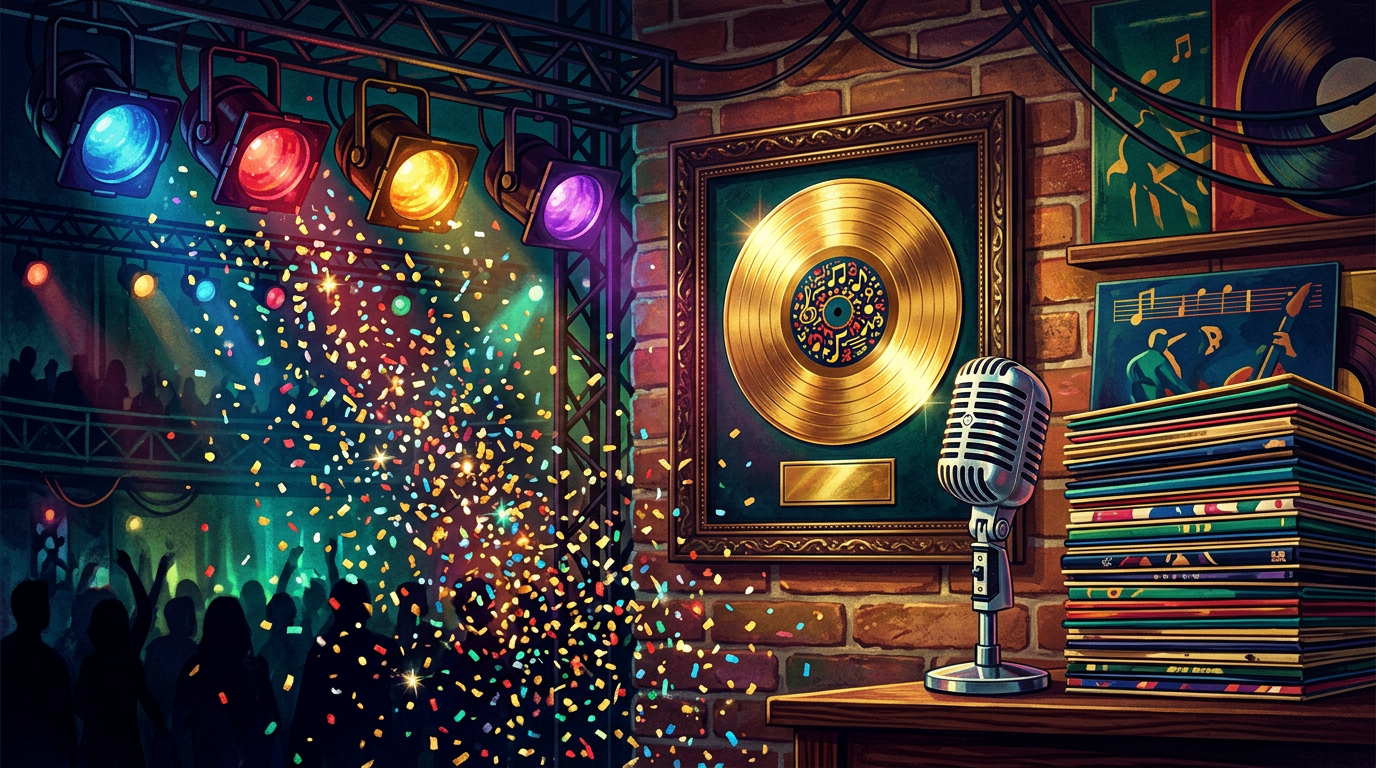
A record can change history without being the first song in a genre or the biggest seller of a decade. Some recordings prove a market exists, some reveal a new studio technique and others change how musicians organize around a public cause. Their influence lives in what later artists assume is possible.
Recorded stars proved the medium could sell
Tenor Enrico Caruso became the first international recording celebrity in the early twentieth century. His Victor discs demonstrated that listeners would pay to hear a famous voice at home, helping transform the phonograph from novelty into a mass entertainment business and giving performers a new route to global fame.
Studio limitations created new sounds
Early rock and rhythm-and-blues recordings frequently used equipment at or beyond its intended limits. Distorted guitar on Rocket 88, released in 1951, is often linked to a damaged amplifier. Whether or not it was the first rock-and-roll record, its rough tone anticipated a sound that later musicians pursued deliberately.
Once listeners love an accident, the next generation learns how to reproduce it on purpose.
The album became an artwork
Long-playing records gave musicians enough uninterrupted time to build thematic albums rather than collections of singles. Landmark releases in jazz, rock and soul used sequencing, cover design and studio experimentation as parts of a whole. That idea survived the move to cassettes and compact discs even as streaming later pulled attention back toward individual tracks.
A single could become global aid
USA for Africa's We Are the World brought dozens of major artists together in 1985 and raised substantial funds for humanitarian relief. It also demonstrated both the reach and limitations of celebrity charity: music could mobilize enormous attention, while decisions about imagery, distribution and long-term impact still demanded scrutiny.
- The compact disc launched commercially in 1982 and eventually displaced both vinyl and cassette sales.
- Dire Straits' Brothers in Arms became an early symbol of CD adoption.
- Multitrack recording let artists layer performances that could not be played live in one take.
- Digital distribution later separated music ownership from a physical object.
Formats alter the music they carry
A vinyl side encouraged a natural break; a cassette encouraged portability; a CD offered long uninterrupted running time; downloads unbundled the album; streaming rewards immediate recognition and repeat plays. Musicians adapt composition and release strategies to each format, so playback technology becomes part of music history rather than a neutral container.
The most consequential records therefore sit at a junction of art, commerce and engineering. Listening closely to how they were made reveals why a song can outlive the machine first used to play it.
Shop this topic on Amazon
As an Amazon Associate we earn from qualifying purchases.
Test yourself on this topic
Music · 12 questions
1980s Music Quiz: Pop, Rock and MTV Classics
From Thriller and Purple Rain to Live Aid, revisit the songs and stars that defined the 1980s.
Music · 12 questions
1980s Music Quiz: Pop, Rock and MTV Classics
From Thriller and Purple Rain to Live Aid, revisit the songs and stars that defined the 1980s.

Anime · 12 questions
Anime Openings Quiz: Themes, Studios and Soundtracks
Opening themes, the studios behind them and the composers who made them stick. Twelve questions.
Comments
Share your score, argue with a question or add a fact we missed. Comments are checked before they appear, and links are removed automatically.
- No comments yet. Be the first.