

Foods With Surprising Origins and Accidental Histories
Pop Culture · 8 min read · 10/6/2026
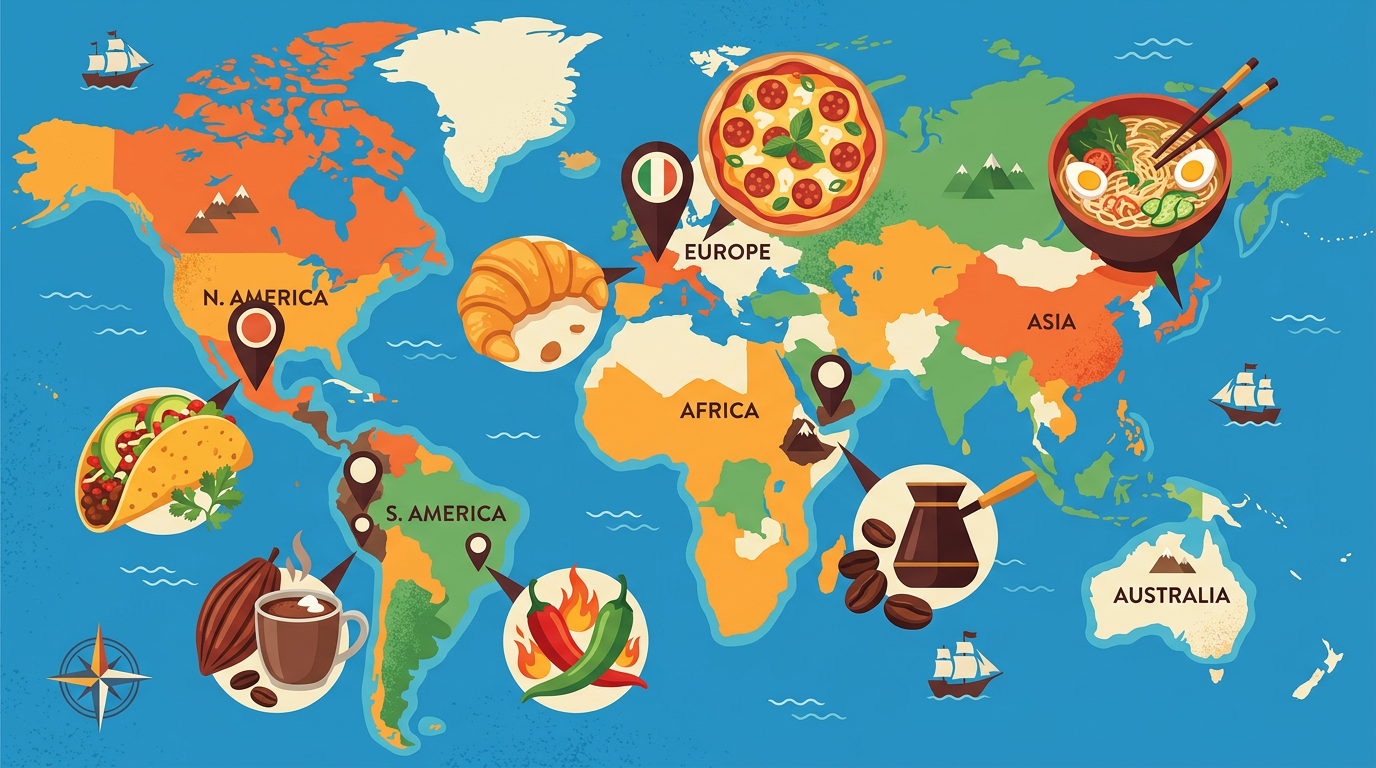
Food rarely has one inventor. Recipes move through migration, trade and changing technology, gathering new ingredients and names along the way. The tidy origin stories printed on packaging are often simplified, but the documented history is usually more interesting.
Ketchup existed before tomato ketchup
The word ketchup is commonly linked to Asian fermented sauces. British cooks adapted the idea into savoury bottled condiments made from mushrooms, walnuts, oysters and other ingredients. Tomato versions spread in the United States during the nineteenth century, and commercial production gradually created the sweet, thick sauce now familiar worldwide.
Nachos began as quick improvisation
In 1943, Ignacio 'Nacho' Anaya served visiting customers in Piedras Negras, Mexico, after the regular kitchen staff had left. He cut and fried tortillas, added cheese and jalapeños, and named the dish Nacho's especiales. The simple combination proved easy to reproduce and expand.
A food can feel inevitable after it becomes popular, even when its first version was simply what one cook could assemble at the time.
The potato chip story is disputed
A popular tale credits chef George Crum with inventing potato chips in Saratoga Springs after a diner complained about thick fried potatoes. Earlier recipes for thin, crisp-fried potato slices exist, so historians treat the dramatic complaint story cautiously. Crum and Saratoga nevertheless helped popularize the food.
Corn flakes changed purpose
John Harvey Kellogg and Will Keith Kellogg developed flaked cereals while experimenting with grain foods at a Michigan sanitarium. The brothers later disagreed about mass marketing and sweetening. What began within a strict health program became a convenient packaged breakfast for a much wider audience.
- Tomatoes originated in the Americas before becoming central to Italian cooking.
- Chilli peppers also came from the Americas and spread rapidly through Asian cuisines after the Columbian exchange.
- Modern carrots were selectively bred from earlier roots of several colours.
- Tea drinking began in China centuries before becoming identified with British daily life.
National dishes are often international
Ingredients cross borders more easily than national labels suggest. A dish may use a crop from one continent, a technique from another and a name from a third. Trade routes and colonial power shaped these exchanges, so food history can reveal economic history in unusually tangible form.
The lesson is not that beloved stories are all false. It is that recipes evolve through many hands. Giving those hands and journeys room makes an everyday snack part of a much larger human story.
Shop this topic on Amazon
As an Amazon Associate we earn from qualifying purchases.
Test yourself on this topic
Personality Tests · 12 questions
Which Snack Are You? Snack Personality Quiz
Twelve playful questions matching snack personalities to traits, moods and social styles. Pure fun.

Pop Culture · 12 questions
2010s Internet Culture Quiz: Memes, Apps and Viral Moments
The decade that gave us viral dances, six-second videos and a dress nobody could agree on. Twelve questions.
Global Knowledge · 12 questions
World Capitals Quiz: 12 Countries, 12 Capital Cities
The capitals people get wrong most often, spread across five continents. Twelve questions, no repeats.
Comments
Share your score, argue with a question or add a fact we missed. Comments are checked before they appear, and links are removed automatically.
- No comments yet. Be the first.